

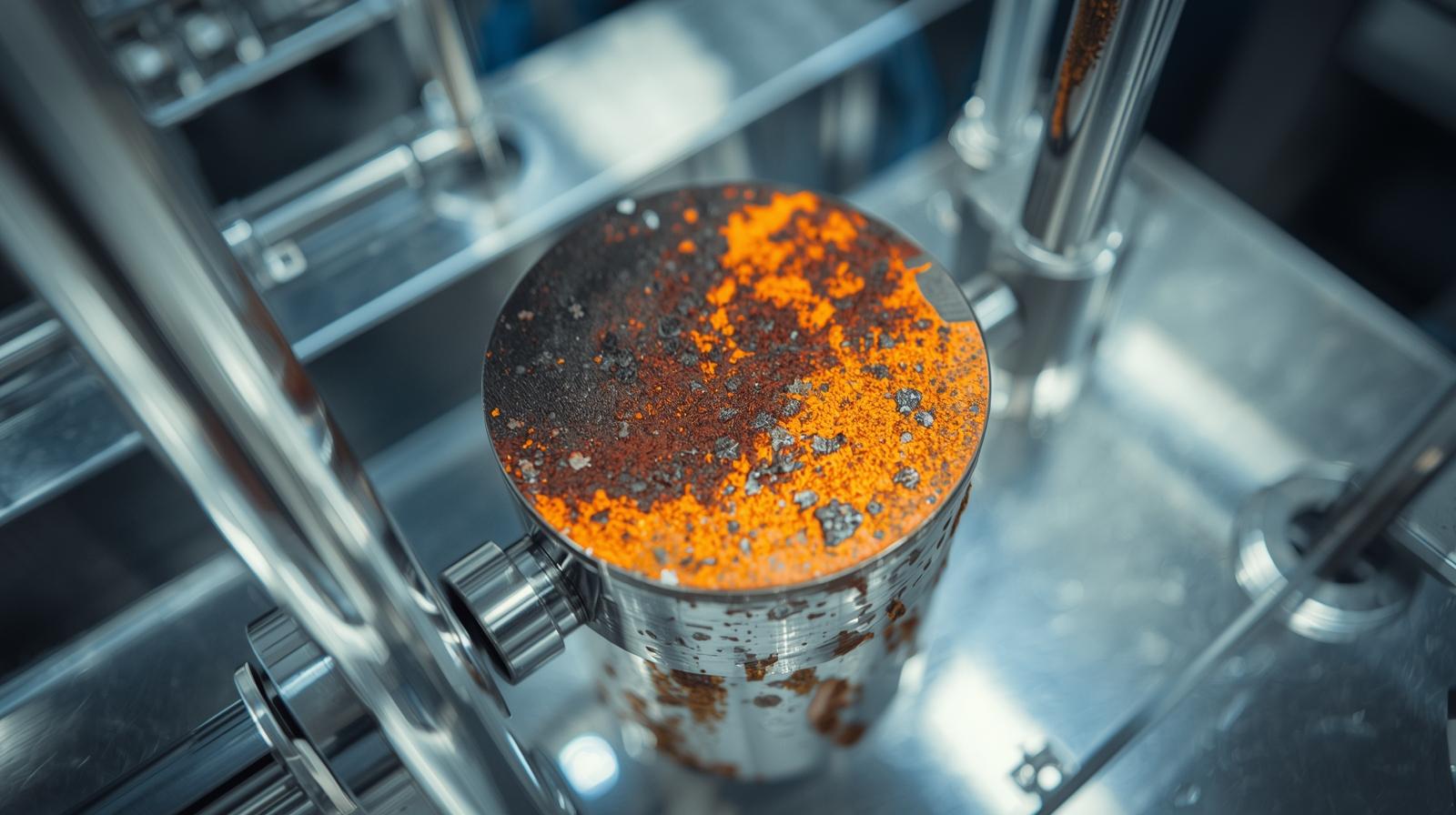


In manufacturing, time is money. If you design a new car, a new bridge, or a new consumer electronic gadget, you can’t wait a decade to see if the metal rusts or the protective coating peels. That’s what ACT (Accelerated Corrosion Testing Services) — aims to do by providing engineers a way to foresee the future of their products in a matter of weeks.
Professional corrosion testing service in a controlled laboratory environment tests out material for years of environmental wear that has been simulated to ensure that the material is for the most part resistant to the elements and is ready for primetime.
What is Accelerated Corrosion Testing Services?
Corrosion is just a metal reacting to what is around it- like oxygen and water- and breaking down over time. This process occurs gradually in nature. An enhanced corrosion test applies materials to “stressed” conditions (e.g. elevated temperatures, continuous exposure to salt mist or high humidity) in specialized chambers to accelerate this process.
Core Testing Methods
Professional test labs use a variety of methods based on the intended use location of the product.
1. Salt Spray (Salt Fog) Testing
Salt Spray Testing is a standardized and most commonly used corrosive test.
Static is the best known test form. Samples are placed in a chamber, and a fine mist of 5% sodium chloride (salt) solution is sprayed continuously. It is mainly used to test the quality of protective layers such as paint or galvanizing.
- Standards: ASTM B117, ISO 9227.
- Recommended applications: Marine hardware, outdoor hardware, and stainless steel.
2. Cyclic Corrosion Testing (CCT)
True outdoor weather isn’t just constant rain; it’s a wet/dry/hot/cold cycle. CCT is more sophisticated as it rotates the samples in various environments:
- Salt spray (Wet phase)
- High humidity (Condensation phase)
- Forced air drying (Dry phase) This type of “cycling” better simulates a car that’s been driven on salted winter roads and then parked in a dry garage.
3. Humidity and Condensation Tests
Certain materials don’t need salt to corrode—they just need water. Moisture testing assesses the performance of materials when exposed to tropical or moist indoor conditions, such as paint blistering or electrical short circuits in components.
How Results Are Assessed by Services that Are Professional
Professional services do not simply “search” for rust. They offer a data-driven report informed by several scientific metrics:
- Visual Inspection – Searching for “red rust” (steel failure) or “white rust” (zinc failure).
- Mass Loss: The material is weighed before and after so you know exactly how much metal was “eaten” away.
- Adhesion Testing: Determining whether a coating continues to adhere to the substrate following exposure to stress.
- Scribe Assessment: Scratch the coating on purpose prior to the test and determine how far the corrosion “migrates” away from the wound.
Choosing the Right Testing Partner
When it comes to professional services, “cheap” doesn’t always mean better. You require a provider that includes:
- The lab is run to the internationally recognized quality management system accredited under the ISO/IEC17025 standard.
- And you can customize the test cycles also to simulate certain environmental conditions like a desert or a seacoast climate, in your case.
- Detailed Documentation: Full Reports you can present to stakeholders, investors, or regulators.
Read more: Modern Advances in Concrete Core Drilling Technology
Conclusion
Rust is a natural force, but it doesn’t have to be startling. When you pay for professional accelerated corrosion testing, you are essentially purchasing an insurance policy for your brand’s reputation. You can choose higher-quality materials, adjust manufacturing processes and, in the end, provide a product that lasts.