logo-1-1-1

Category: Blog

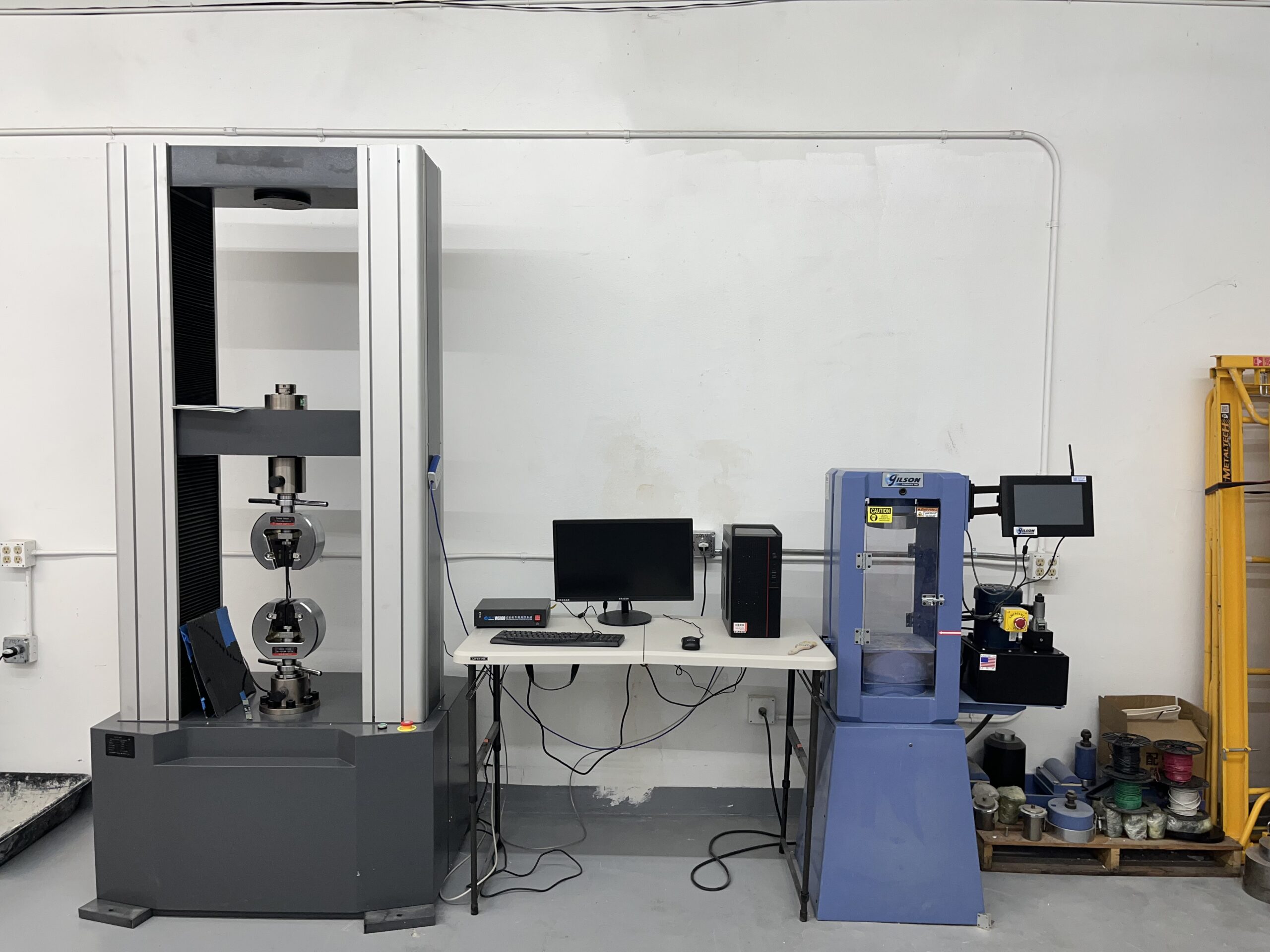
Concrete compression testing machine and universal testing machine in the Prime Test Engineering lab

Concrete Cylinder Break Tests: What Do 7-, 28- and 56-Day Results Mean?

Concrete cylinder break tests are the standard way to confirm that the concrete placed on…
mira

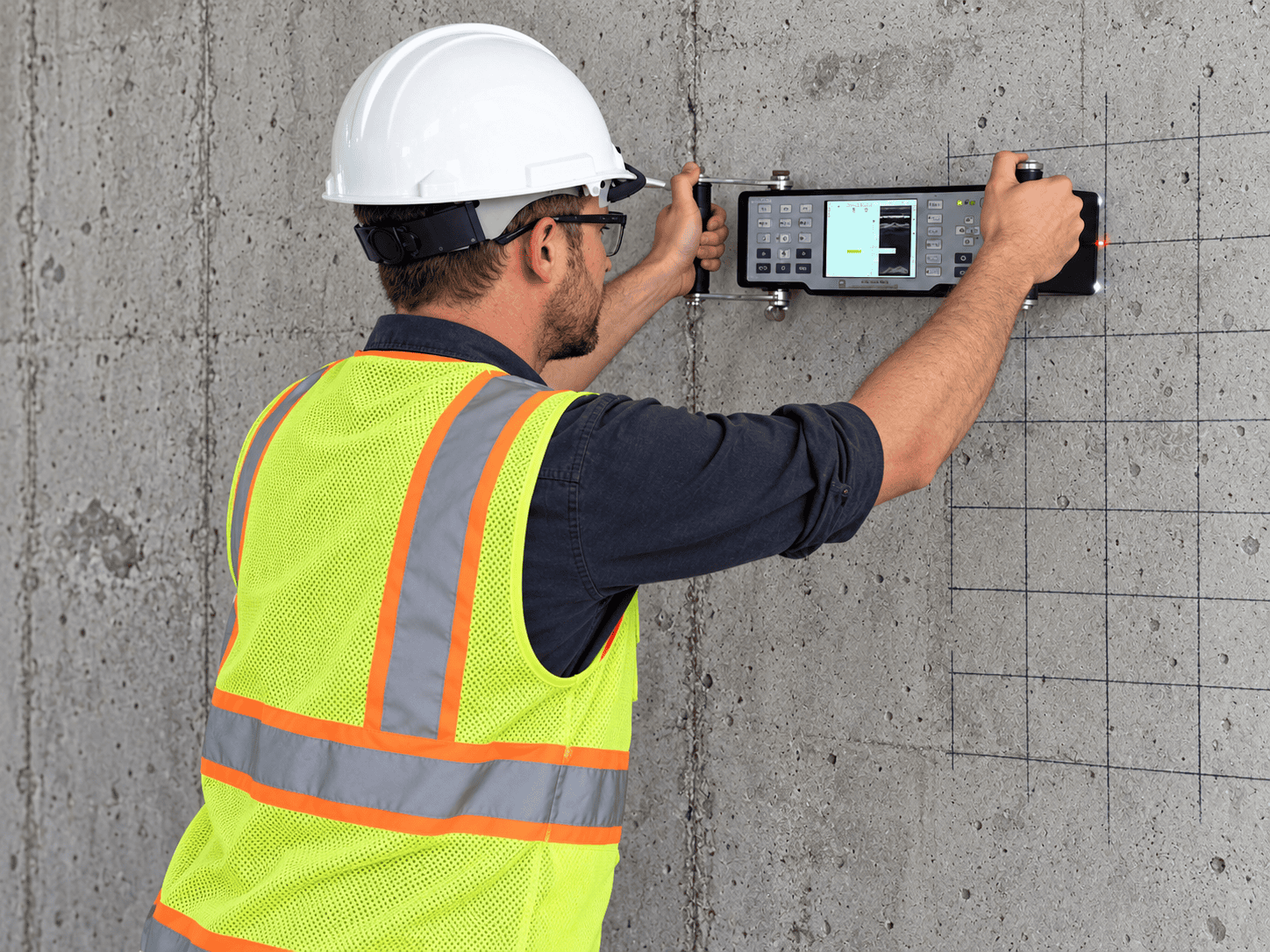
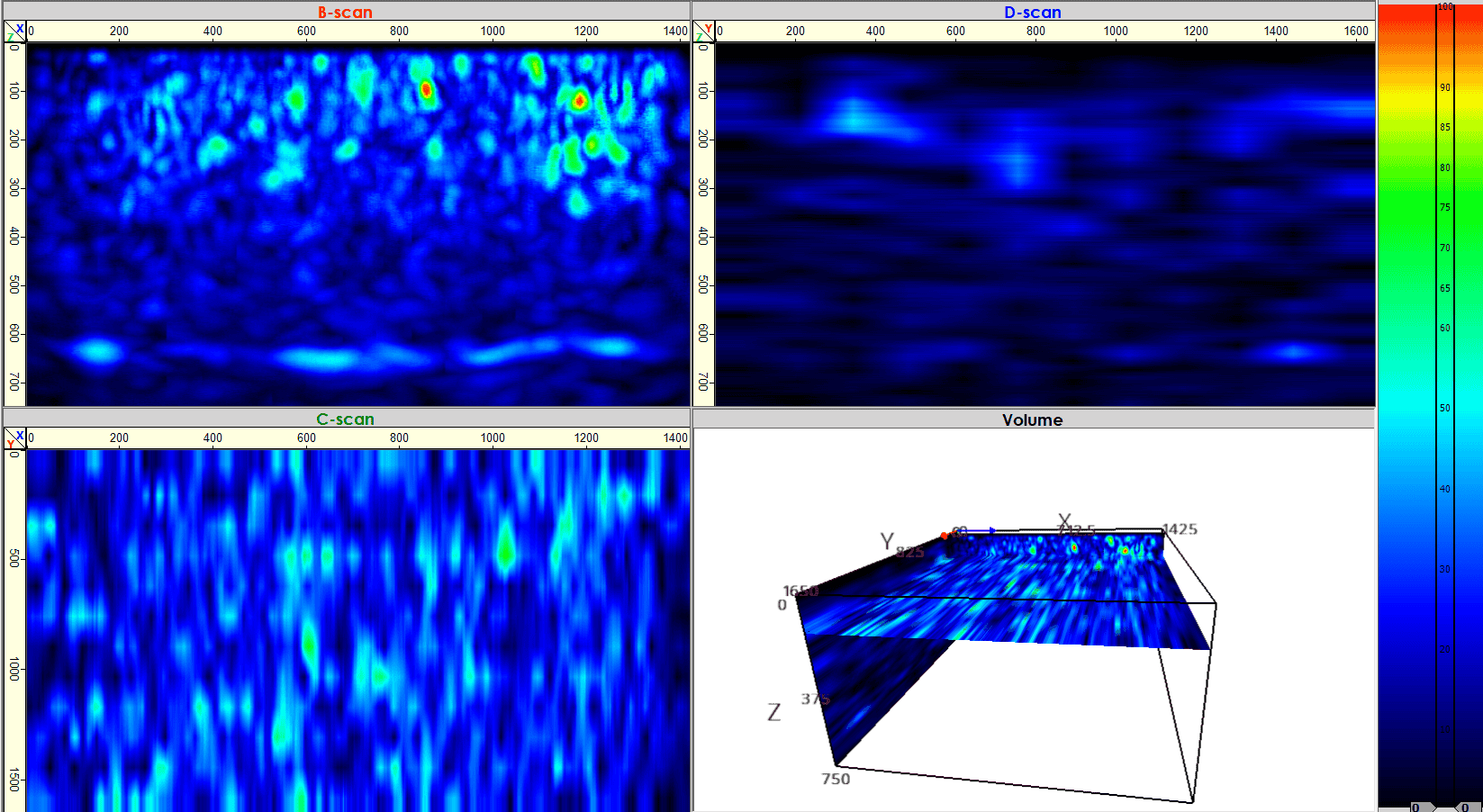
What Is Shear Wave Tomography (MIRA) and How Does It See Inside Concrete?

The shear wave tomography method, often performed with a MIRA ultrasonic tomograph, lets engineers look…
Pull-Off Testing

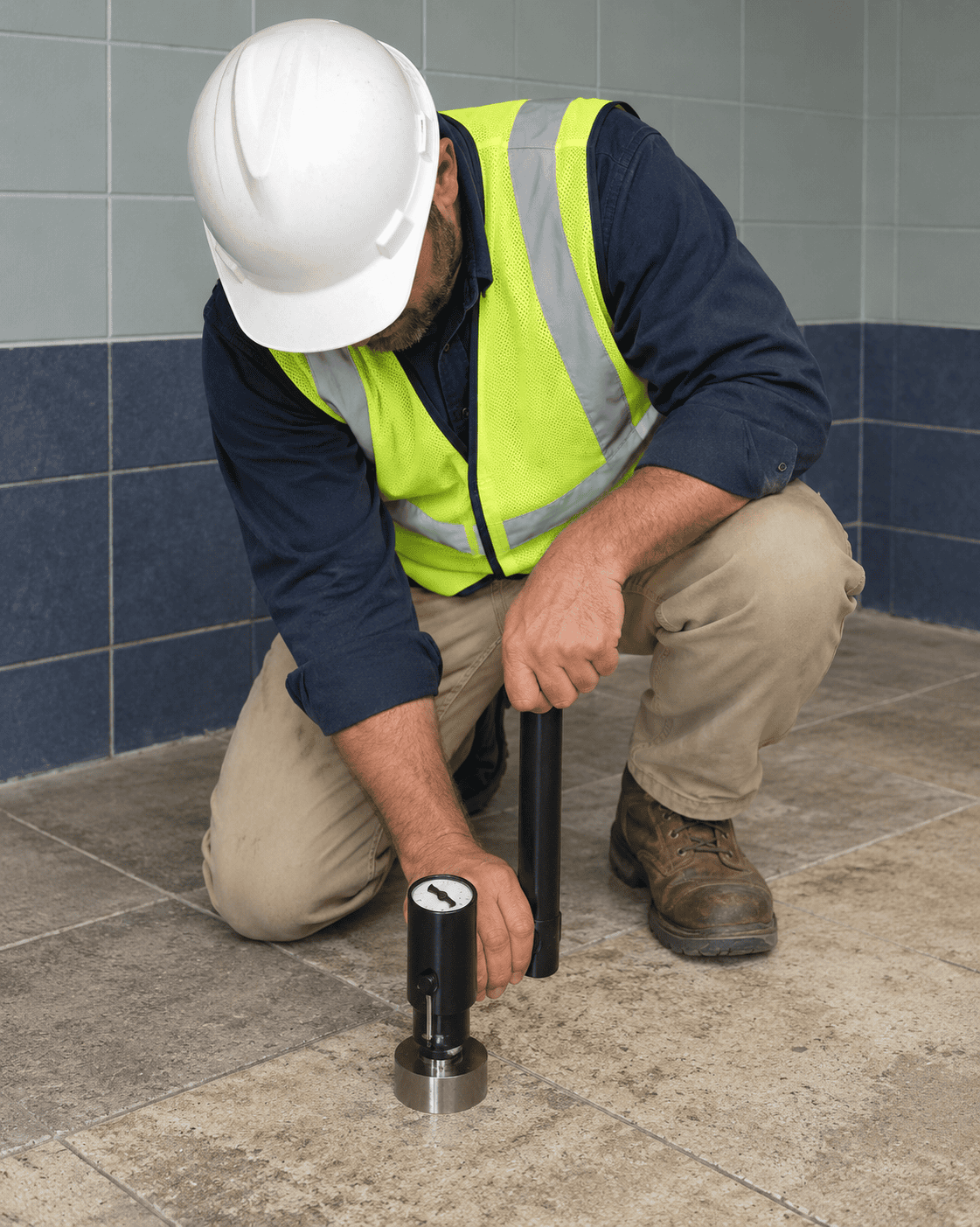
What Is a Pull-Off Test and How Does It Measure Concrete Bond Strength?

The pull-off test measures how well a coating is bonded to concrete, and how strong…
schmidt hammer test

What Does a Schmidt Hammer Test Tell You About Concrete Strength?

The Schmidt hammer test, also called the rebound hammer test, is one of the fastest…

How Does the ASTM F1869 Calcium Chloride Test Measure Concrete Moisture?

The ASTM F1869 calcium chloride test helps engineers and flooring teams find out whether a…

How Do Engineers Detect Voids Beneath Concrete Slabs?

Concrete slab void detection helps engineers investigate possible gaps beneath slabs-on-grade when settlement, erosion, or…

Concrete Delamination Testing: Chain Drag and Hammer Sounding

Concrete delamination testing helps property owners, building managers, and engineers identify areas of possible internal…

GPR Concrete Scanning: How It Detects Rebar and Voids

GPR concrete scanning helps technicians locate detectable reinforcing steel, conduits, post-tensioning components, and other concealed…

Professional Deck Repair Services: Get a Free Estimate Today

Professional deck repair services help identify these problems, restore damaged components, and extend the useful…
ultrasonic pulse velocity

Ultrasonic Pulse Velocity Test: How It Checks Concrete Quality?

Concrete may look strong and uniform from the outside, but internal problems such as cracks,…