Blog

Concrete Cylinder Break Tests: What Do 7-, 28- and 56-Day Results Mean?
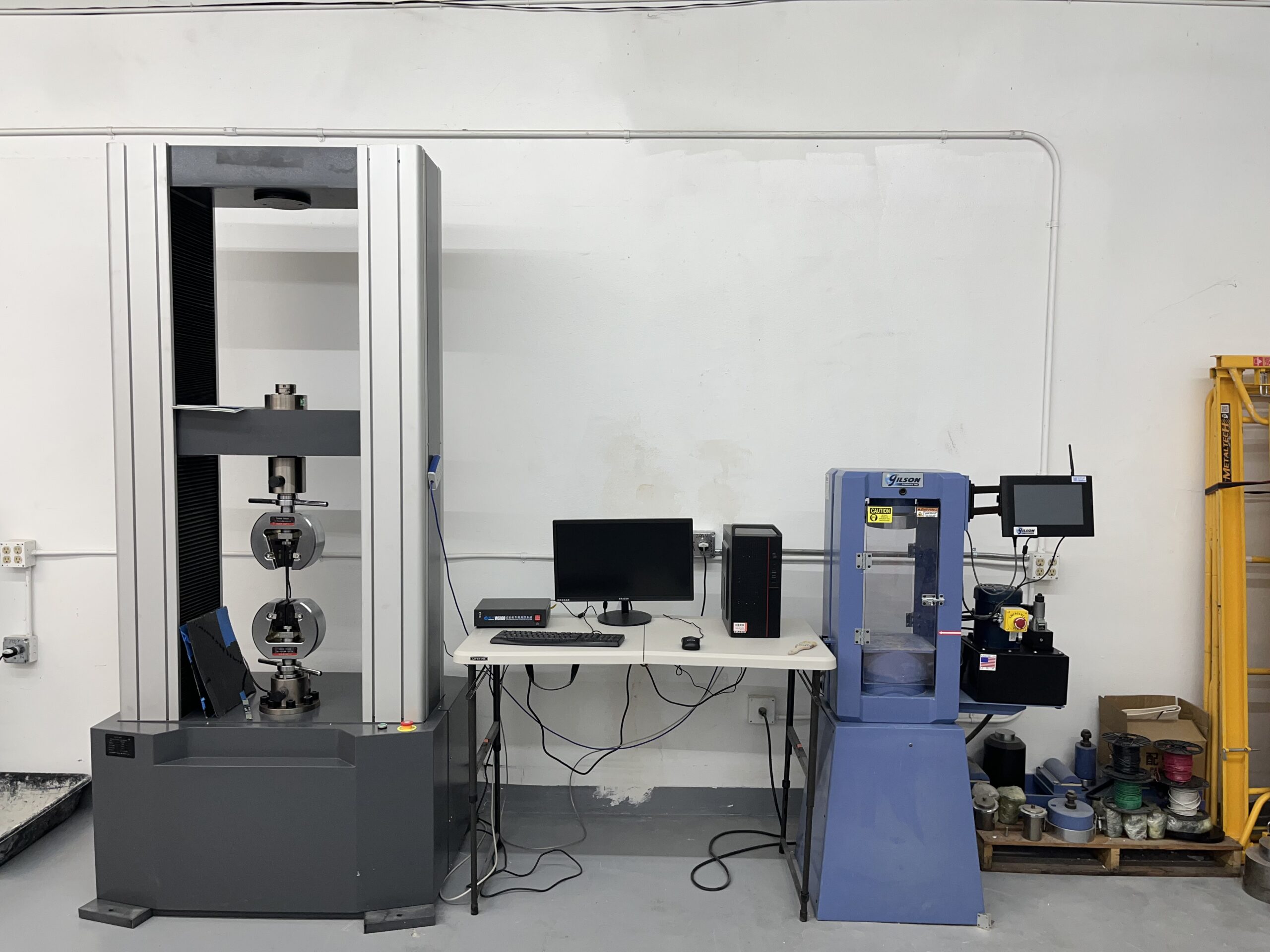
Learn what 7-, 28- and 56-day concrete cylinder break results mean, how strength is accepted under ACI 318, and what to do when results are low.


Learn what 7-, 28- and 56-day concrete cylinder break results mean, how strength is accepted under ACI 318, and what to do when results are low.
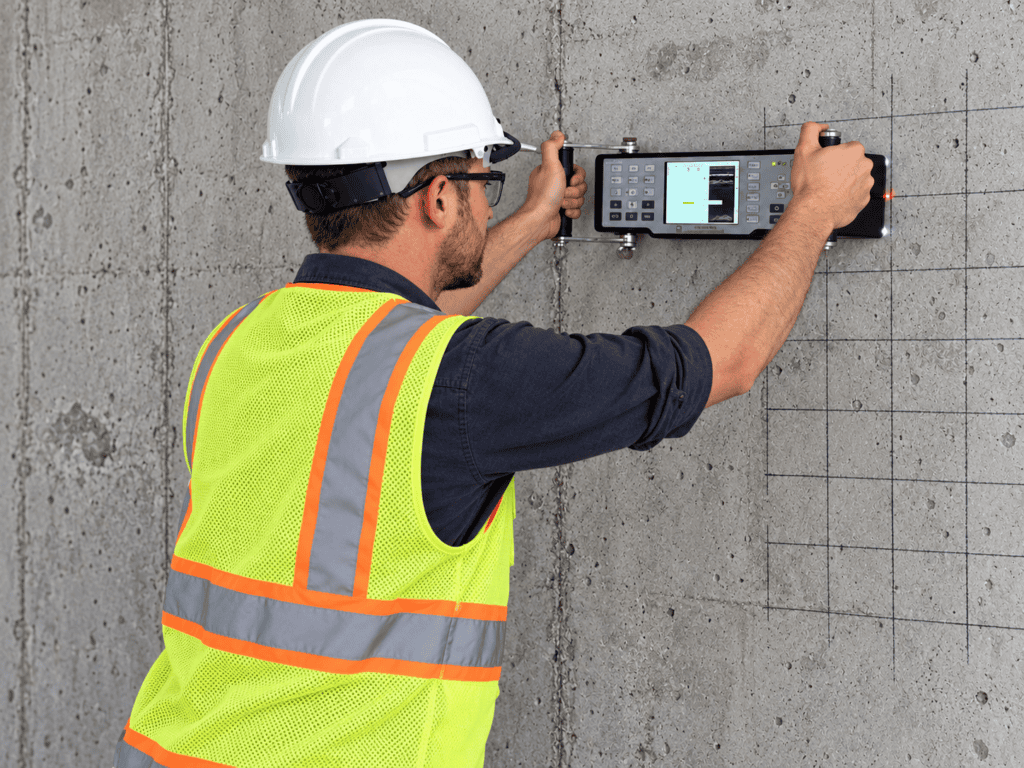
Learn how MIRA shear wave tomography maps voids, delamination, rebar and thickness inside concrete without coring, and when to verify the results.
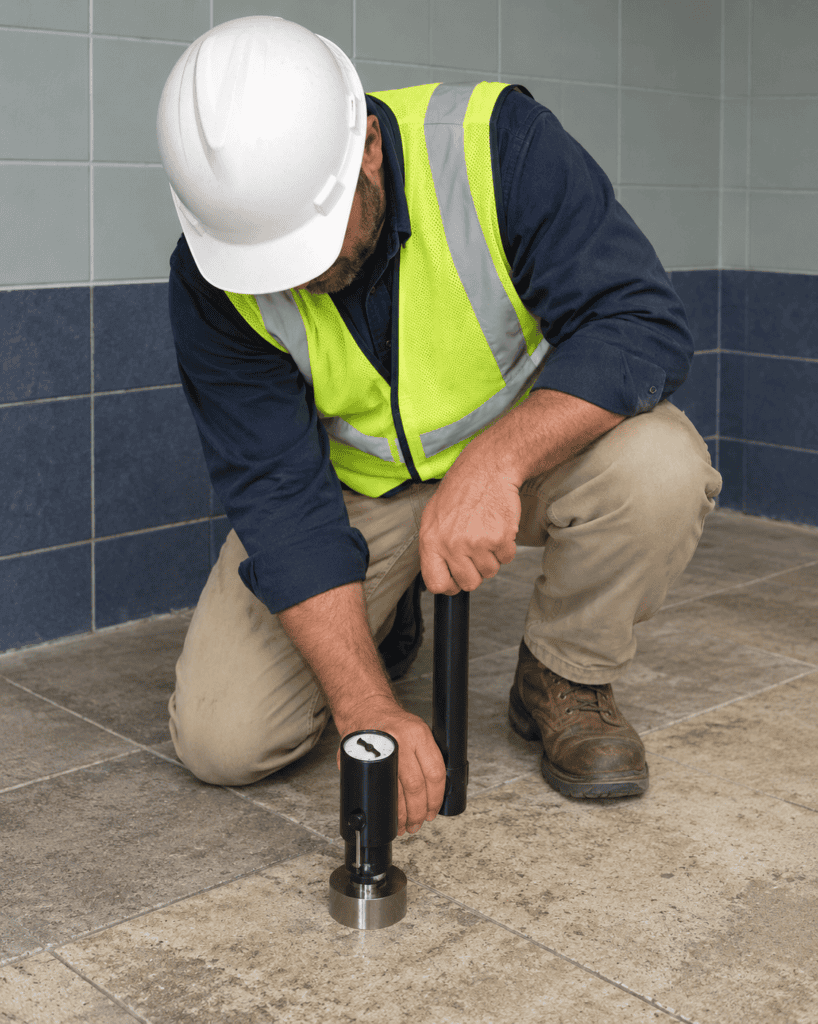
Learn how the ASTM C1583 pull-off test measures bond strength of concrete repairs, overlays, and coatings, and what the failure modes mean.

Learn how the Schmidt rebound hammer test checks concrete surface hardness and uniformity, what affects results, and when cores are needed.

Learn how the ASTM F1869 calcium chloride test measures moisture vapor emission from concrete slabs before flooring, with results from a recent project.
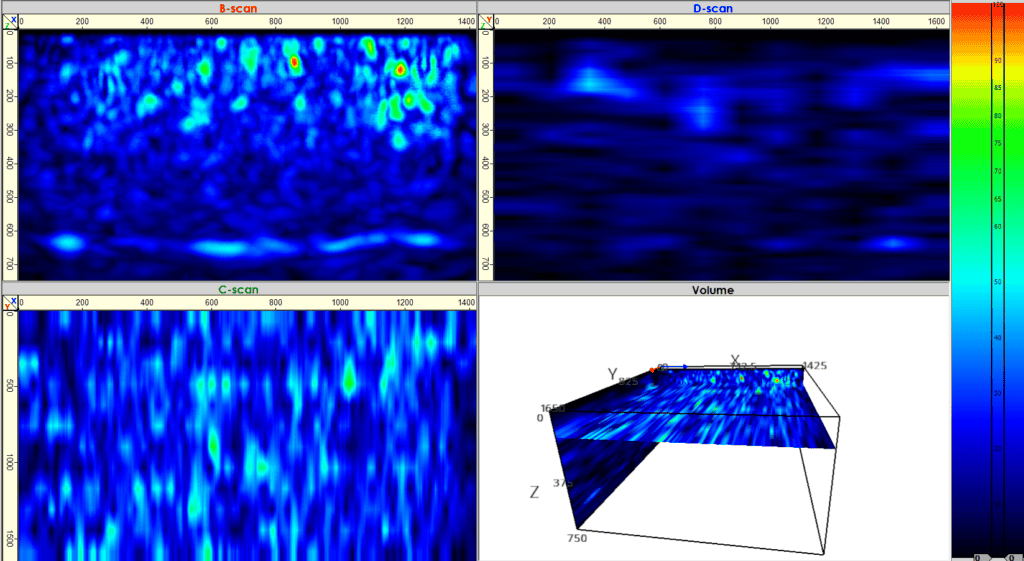
Learn how engineers use GPR and targeted testing to investigate potential voids beneath concrete slabs and assess loss of support.
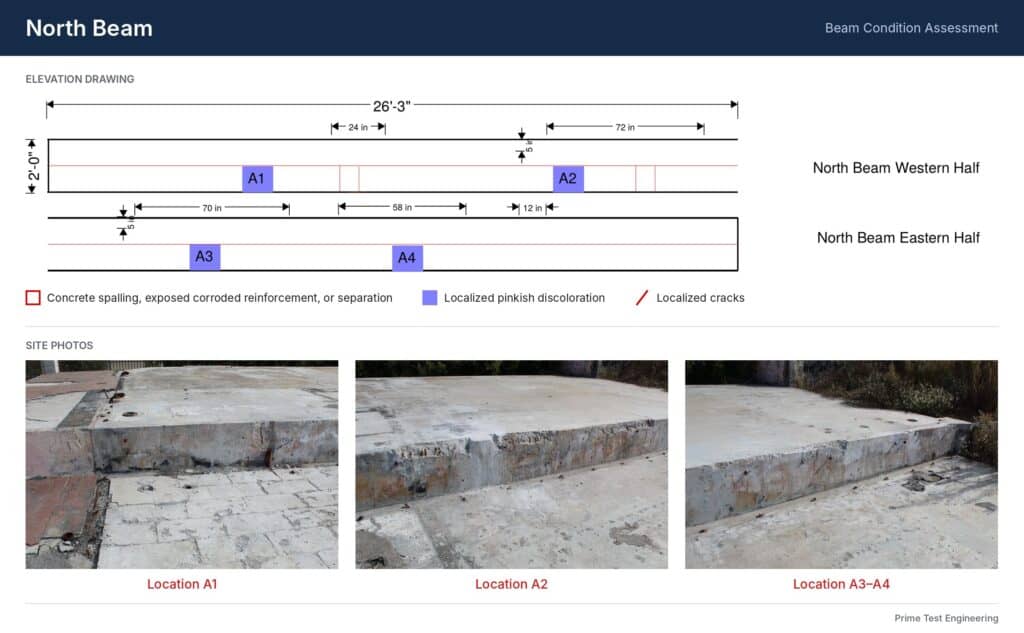
Learn how chain drag surveys and hammer sounding help identify areas of possible hidden concrete delamination in slabs, decks, and structural elements.
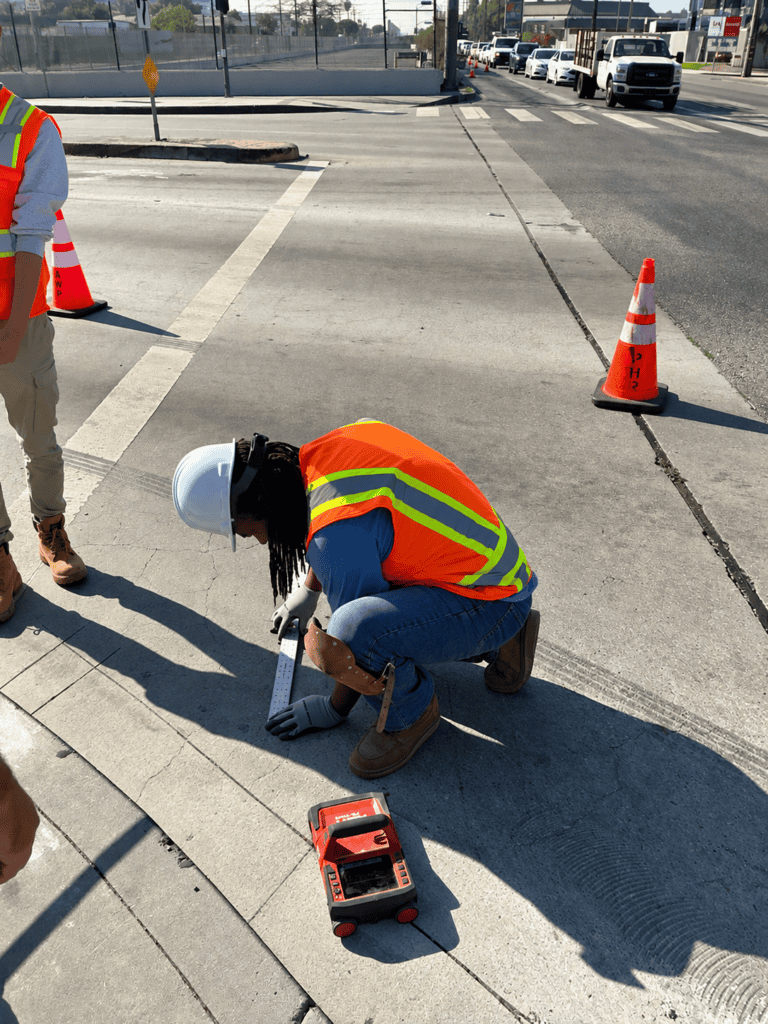
Learn how GPR concrete scanning locates rebar, conduits, and potential voids, and when verification may be needed.
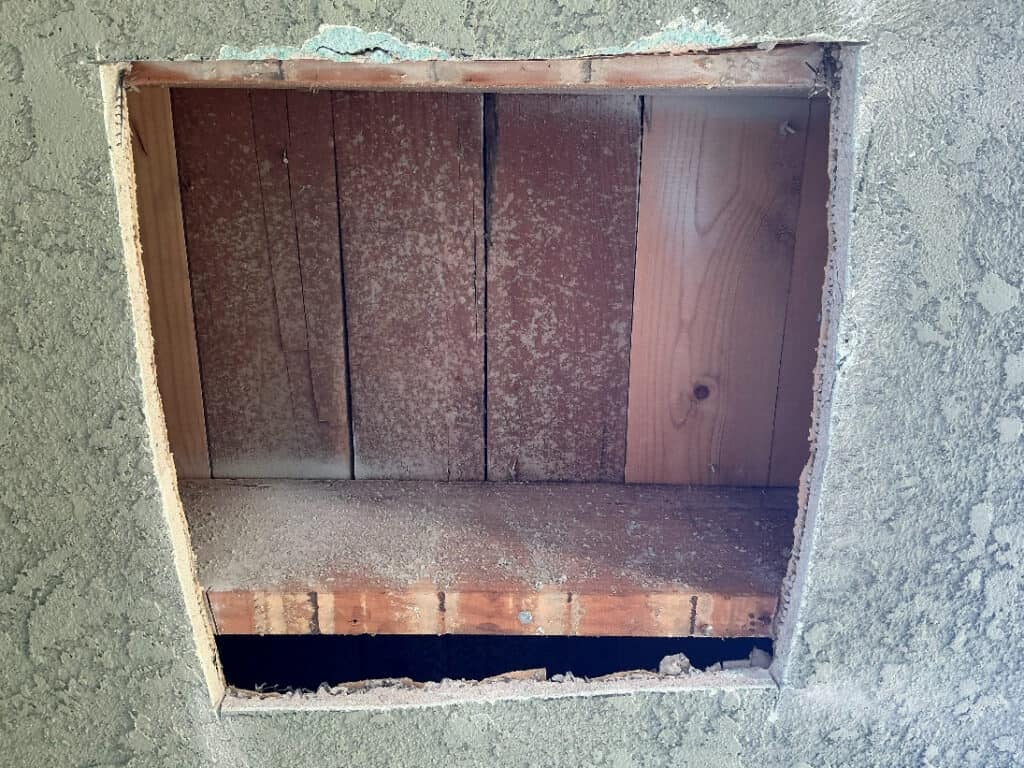
Professional deck repair services help identify these problems, restore damaged components, and extend the useful life of your outdoor structure. Whether you have a small
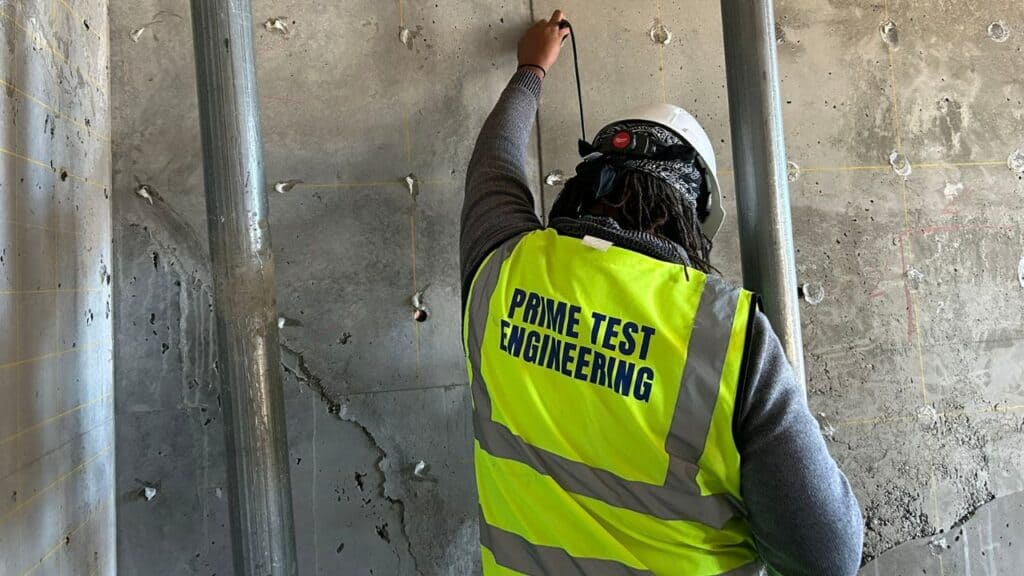
Concrete may look strong and uniform from the outside, but internal problems such as cracks, voids, honeycombing, and poor compaction can remain hidden. The Ultrasonic

At Prime Test Engineering, we take immense pride in our position as a trusted leader in the materials testing industry.