

Concrete Core Drilling Technology has changed dramatically, revolutionizing the construction industry in the process. Modern technology has evolved the manual work-intensive process into fast and fine quality work. Utilizing tools such as diamond tipped core drills and powerful equipment, today’s industry experts are able to drill clean, precise holes in concrete without the fatigue or expenditure of time that was once needed. These changes not only improve efficiencies but also increase the level of safety and productivity at the job site. With construction ever evolving, breakthroughs in concrete core drilling will be vital in formations in infrastructure development.
The Evolution of Concrete Core Drilling Technology
Relatively recently, the process of drilling through concrete was downright punishing. Workers used hand tools and manual drills that required them to put their bodies through incredible labors of physical exertion. It was slow, inexact, and, to be completely honest, dangerous. Then came the motorized revolution. Early electric and pneumatic drills were a revolution, they allowed work to be done faster and without so much damage to the worker’s body.
Why Are Diamond-Tipped Core Bits a Game-Changer? Because it is so hard, a diamond can cut through reinforced concrete as if it were soft. Drilling, all of a sudden, was not only faster but clean and more precise. One invention transformed both the cost and the effectiveness of running the system, reducing equipment wear and deflation in costs—good news for everyone.
Smart Tools That Make Magic Happen
The concrete drilling tools of today seem as if they belong to the world of science fiction. We’ll chat about what makes today’s tools so earth-shatteringly awesome:
Laser-guided systems are rewriting the rule book. These systems can identify the precise location to drill with amazing accuracy, so there is no guesswork involved. For projects in tight urban spaces where precision counts, this tech is absolute gold. Laying utilities in a congested city? Laser guidance makes sure you land right every time.
Wireless monitoring and system control have revolutionized jobsite safety. Operators do not have to be at the drill anymore – they can remotely monitor and operate everything from a safe distance. This is a game-changer in hazardous areas where direct human participation could be risky or even fatal.
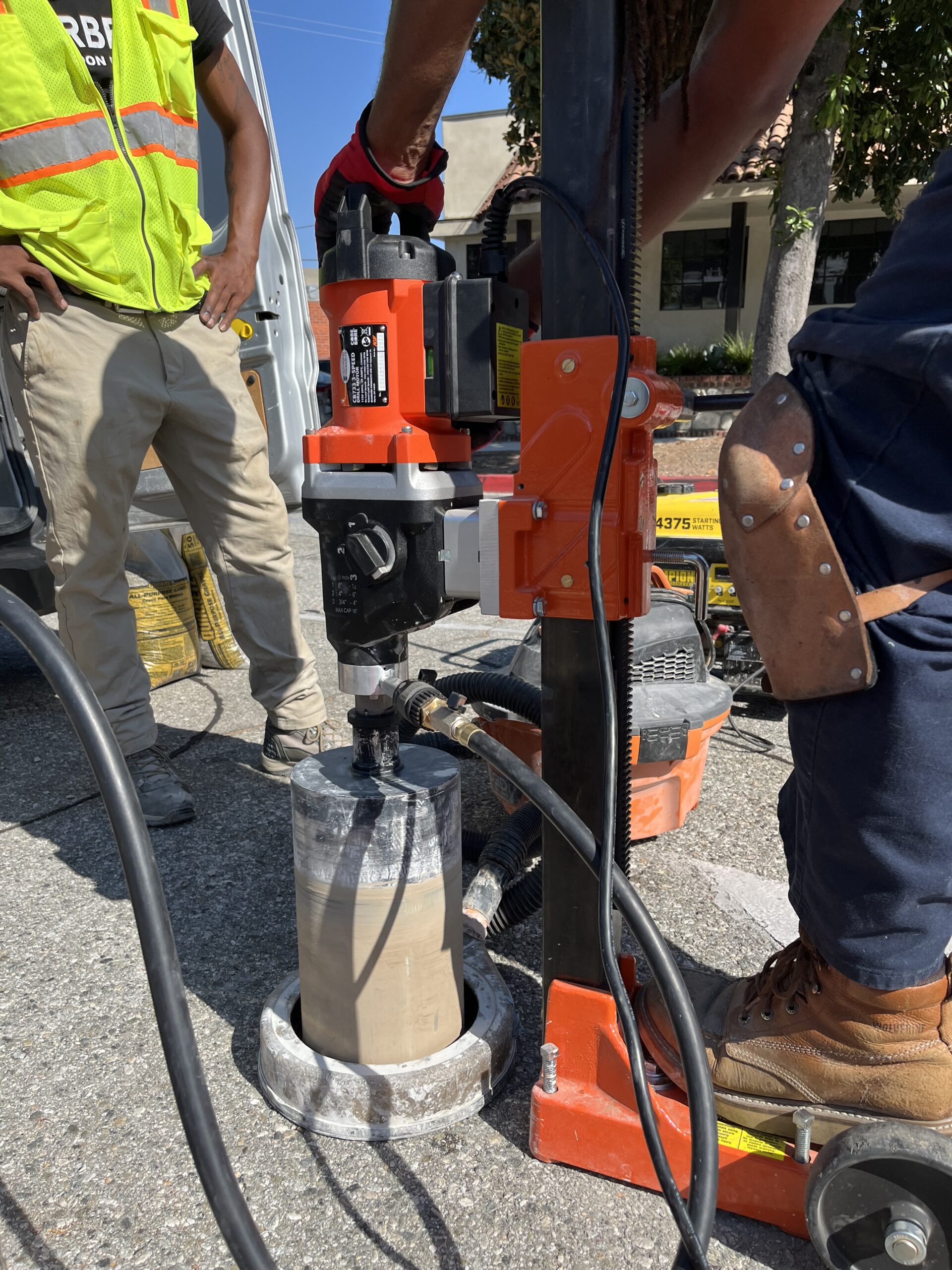
Vacuum-assisted drilling systems? They’re brilliant. These machines drill and collect debris at the same time, maintaining a clean work environment and minimizing downtime. It’s efficiency wrapped in environmental responsibility.
Equipment Evolution Become More Helpful
The move to lighter and more portable tools may seem incremental, but it’s revolutionary. Older drills were bulky beasts that took real work just to move around.
- Powerful machines in compact sizes.
- People can easily move the equipment, so it’s ideal for tight spaces or the field.
- Lighter weight also reduces the physical stress placed on workers — a quality of life enhancement that merits being taken seriously.
Safety features are standard, not optional. Shut-off systems are designed to stop machinery immediately if hazardous conditions arise. Ergonomic designs minimize operator fatigue, through improved grips, adjustable handles and anti-vibration systems. Protective shields prevent flying chips from injuring the operator. It’s all in the name of building working conditions where people actually end up going home safe at the end of their day.
Read more visits now: Quality Control for Concrete in Construction Projects
Conclusion
The biggest change is not necessarily in one particular technology — it’s in mindset. The industry has evolved from “how fast can we drill?” to “how can we drill smarter, safer, and more sustainably?” That’s really different.
From construction companies building up with high-rises, infrastructure projects scaling new heights, or miners digging deeper, the need for core drilling is ever mounting. Intelligence is coming in to meet this demand, not as brute force, but as intelligence.