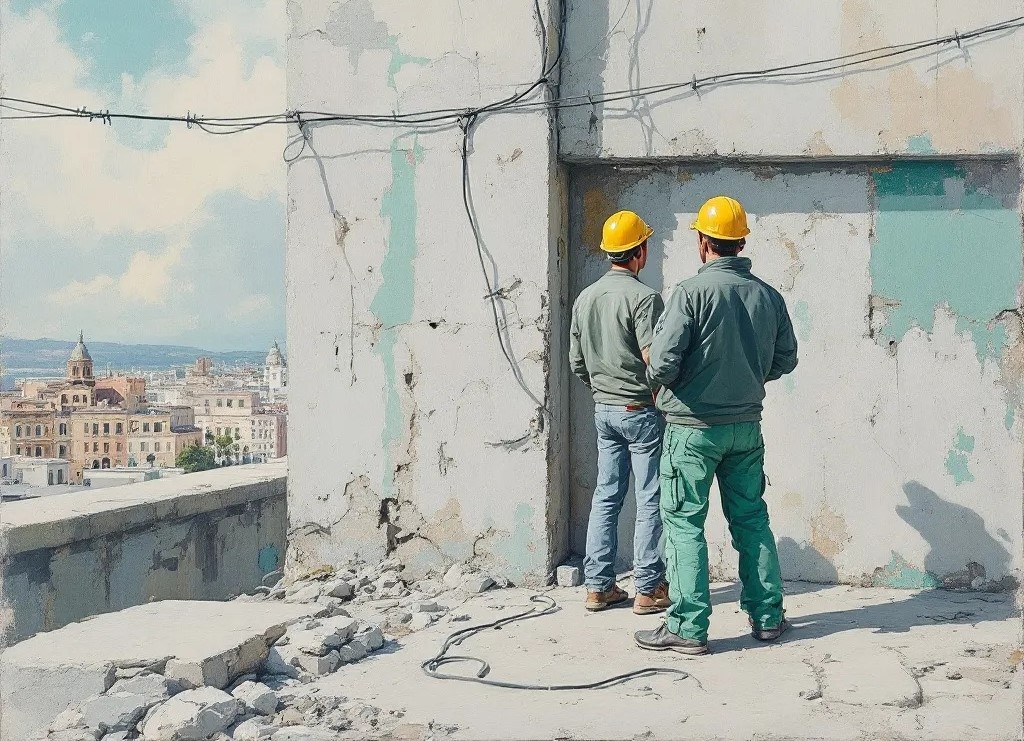


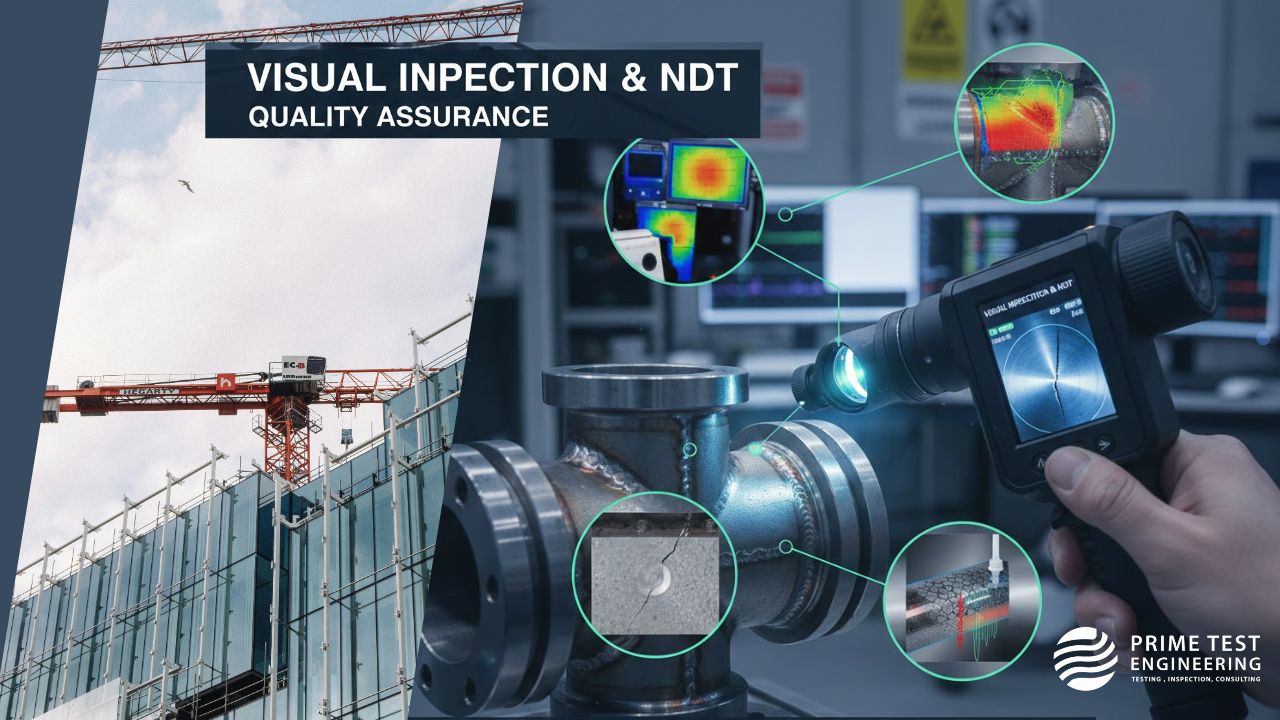
Visual inspection non destructive testing (NDT) is one of the most critical methods to guarantee the safety and quality of all structures and components without any harm to them. It’s how engineers and technicians check for cracks or other problems on everything from bridges and airplane wings to pipes in factories.
Visual inspection is a method that depends on human expertise and through the use of observational skills for the detection of anomalies, thus it does not require any physical interaction with the object being inspected and has been recognized as one of the most cost-effective and efficient solutions that may be applied in quality control. This approach is distinguished by its ease of application and high impact, and has contributed significantly to the safety and reliability of many industries.
What Exactly Is Visual Inspection NDT?
Visual examination in the NDT is a method for the investigation of materials, parts, and equipment for the detection of visible surface flaws in a manner that does not damage them. The word “non-destructive” is important here: it means you can look at something as many times as you want without changing its structure or how well it works.
Rather than tearing apart a machine or taking apart a structure, inspectors rely on their sight occasionally with the help of magnifying glasses, flashlights, cameras, or other specialized tools to spot issues such as cracks, corrosion, misalignment, and weld defects. It’s the basis for quality control in virtually every industry — from aerospace, to manufacturing, to construction, to oil and gas.
The beauty of visual inspection is that it is so simple. In a high-tech world, this simple technique is still the first line of defence in quality assurance, and demonstrates its ability to catch problems before they become serious, and expensive, matters.
Three Main Types of Visual Inspection
Visual examination isn’t like an app you enable or turn off. There are various techniques for different cases and knowing them allows you to choose the right one for your needs.
Direct Visual Inspection (DVI)
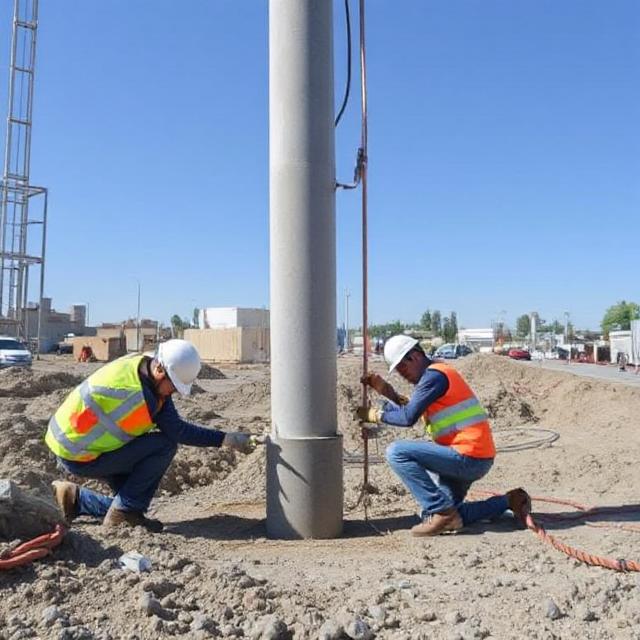
DVI is the traditional method where an inspector literally looks with his or her own eyes (sometimes with the aid of basic tools such as magnifying glasses, flashlights, mirrors, etc.) at surfaces which can be accessed with limited or no barriers. It’s fast, cheap, and great for surface-level checks. You see this in car plants looking at the welds, or construction sites looking at steel beams.
Remote Visual Inspection (RVI)
RVI is utilized when the space is inaccessible or hazardous. Equipped with borescopes, endoscopes and drones, inspectors are able to remotely access internal cavities, pipelines and confined spaces. Consider examining the interior of a jet engine or the inside of a storage tank without exposing anyone to danger.
Automated Visual Inspection (AVI)
AVI is the future. The method employs high depth and high resolution cameras combined with artificial intelligence and machine learning-based algorithms to identify defects automatically, in mass production and with high accuracy. In hectic production facilities, automated machines can check tens of thousands of units a day without tiring or making mistakes.

Comparison of Visual Inspection Methods: Direct, Remote, and Automated Approaches
How Visual Inspection Works in Practice
Stage 1: Pre-Inspection Of VIM
You’ll need to know before any inspection can be done. It’s simply a matter of knowing what you want to look for, having the proper tools and making the right conditions. Make sure the surface is clean, you verify the lighting is sufficient and you make sure you have all the needed equipments. It feels so simple but it’s the thing that’s keeping you from false triggers and missed defects.
Stage 2: Active Scanning
Now let’s go take a look. The inspector (a person or an AI-based system) glides a probe across the surface to identify any visible defects. They may also employ magnifying glasses for fine work, mirrors to see areas hidden behind them, or drones in case of large edifices. They’re all done systematically, with lists of things to check, so you don’t miss anything.
Stage 3: Post-Investigation (Documentation and Reporting)
The last step is crucial: writing everything down. Comprehensive reports may include photos or videos of any defects detected, along with their location, dimensions, and the threat level. These accounts are the basis for decisions regarding repairs, maintenance, or additional evaluation through other NDT techniques.

Three-Stage Visual Inspection NDT Process
The Essential Tools of the Trade
There’s no need for costly lab instruments to perform a visual examination. What tools do inspectors most commonly use:
- Basic Tools Flashlights – to illuminate areas Magnifying glass – to observe details Mirror – to view areas that are concealed by shadows or other objects Ruler, calipers or similar tool – to measure dimensions
- Optical accessories Borescopes and endoscopes for internal inspections, video scopes with integrated cameras for recording
- Top-end technology: High-def video cameras, thermal-vision drones, AI-based image analysis software
The tool depends on the work. A basic weld inspection on a flat surface may still require a flashlight and a magnifier. Borescopes are required to inspect the internal cooling channels of a turbine blade. Thousands of manufactured products to be watched on a line, that would be done with automated systems.
AI and Automation in Visual Inspection Non Destructive Testing
The practice of inspection and artificial intelligence is experiencing a revolution of its own. State-of-the-art AI systems can process images and classify defects with an accuracy of more than 99%—which in many cases is better than human inspectors and without introducing fatigue-induced errors.
Deep learning approaches are known to capture patterns, such as subtle differences in anomalies, from large datasets and can be more effective than classical methods. In aerospace, AI-powered drones check out aircraft fuselages. In semiconductor manufacturing, deep learning algorithms check microchip integrity. Automated automotive plants, using technology from companies such as Sensia, inspect thousands of welds every day at American factories.
The married technologies of augmented reality and AI are extending the boundaries even further. AR systems lead inspectors to the areas where problems are suspected and provide digital overlays in real-time, enhancing information to facilitate decisions and shorten the inspection time.
Read more: Balcony Inspection vs Structural Assessment
Conclusion
Visual examination in non-destructive testing is a perfect combination of easy to use and effective. There is no need to dismantle or have costly and complicated instruments. It’s all based on eyesight, protocols and increasingly, technology to detect issues sooner.
If you are working in manufacturing, construction, aerospace, or really any field where safety and quality matter, visual inspection is probably protecting you every single day. As the discipline is increasingly integrated with AI and robotics, it is getting better, more nimble and more dependable than ever.
When you see a professional inspector scrutinizing a building or a product coming off a production line, you’ll know that they are part of a tradition that’s hundreds of years old—modernized for the 21st century—that helps keep our world safe, productive and high-quality.