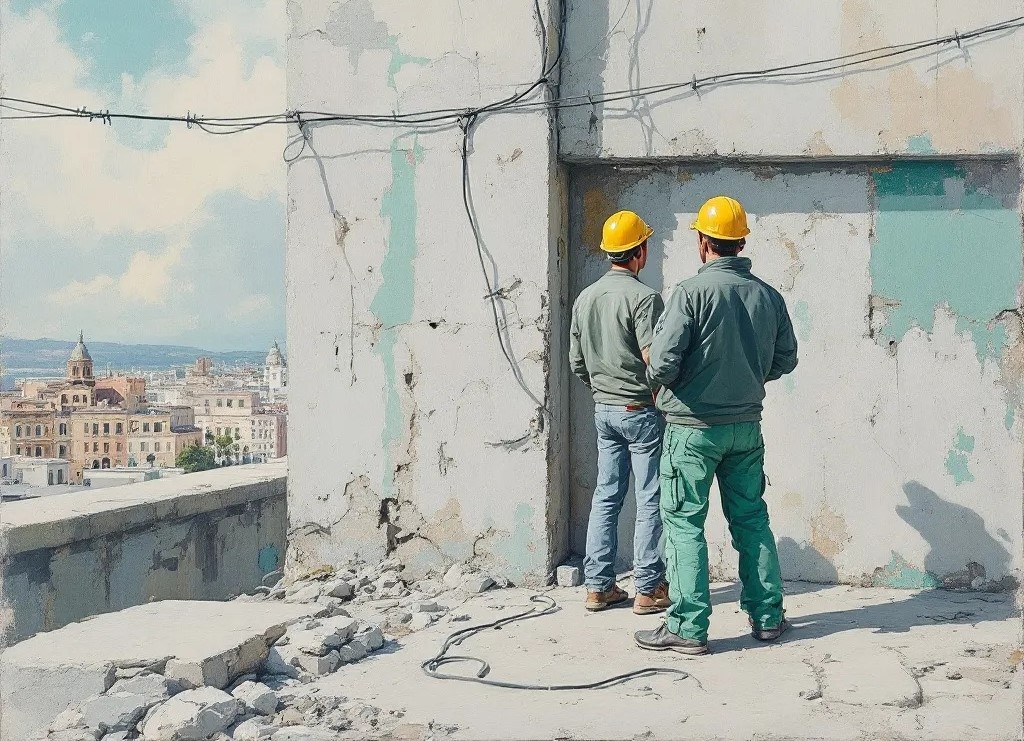


You patched the crack. Maybe you sanded it smooth, repainted over it, stood back, and felt good about a weekend well spent. Then a few weeks — sometimes a couple of months — later, it’s back. Same spot. Maybe a little wider than before.
If that’s why you’re here, the fact that the crack keeps coming back after patching is more useful information than the crack itself. A wall that cracks once, gets filled, and stays fixed is telling you something already happened and stopped. A wall that cracks again along the same line is telling you something is still happening.
Why a Patched Crack Reopening Matters More Than a New One
Patching compound and paint fix what you can see — the gap. They don’t touch whatever is pushing, pulling, or settling behind that gap. So when a crack reopens in the same place, it usually means the underlying movement never stopped. The wall isn’t “cracking again.” It’s continuing to crack, and the patch just resets how visible it is for a while.
This is the detail most homeowners miss the first time around: a crack that returns wider or longer than before isn’t bad luck with the repair. It’s the structure telling you the same force is still active.
Cosmetic Crack or Structural One? What the Pattern Tells You
Not every recurring hairline is a red flag, and not every wide crack means the house is failing. The direction and location matter more than most people expect.
Vertical, hairline cracks in the middle of a drywall panel are usually benign — normal shrinkage in the joint compound, or seasonal expansion and contraction as humidity shifts through the year. These typically stay thin and don’t widen meaningfully over time.
Horizontal cracks across a poured concrete foundation wall are a different story. A horizontal line usually points to lateral pressure pushing against the wall from outside — often hydrostatic pressure from saturated soil after heavy rain — and it’s worth a closer look even if it looks thin.

Diagonal, “stair-step” cracks running from the corner of a window or door frame at roughly a 45-degree angle are the classic sign of differential settlement — meaning one section of the foundation is settling faster than the section next to it. These are the ones most likely to reopen after a patch, because the two sides of the structure are still moving relative to each other.
As a rough general guideline used across the industry, cracks wider than about a quarter inch, or ones that keep growing between checks, are worth a professional look rather than another tube of filler. That said, this is a starting rule of thumb, not a diagnosis — thinner cracks that follow a structural pattern can still matter, and wider cosmetic cracks sometimes don’t.
Watch for company alongside the crack, too: doors or windows that have started sticking, a gap opening up between a wall and the ceiling trim, or a floor that visibly slopes when you set a marble or a level on it. These aren’t separate problems — they’re additional symptoms of the same underlying movement, and they usually show up around the same time the crack starts reopening.
What’s Actually Causing It to Come Back
A handful of causes account for most recurring crack patterns:
Expansive clay soil is the most common one in many parts of the country. It swells when it absorbs moisture and shrinks as it dries out, and that seasonal swelling and shrinking pushes and pulls on a foundation year after year. Patch a crack caused by this in the spring, and it’s not unusual to see it reopen by late summer.
Poor drainage is a close second — gutters emptying right next to the foundation, or grading that slopes toward the house instead of away from it, keeps the soil around the footing wetter and more unstable than it should be.

Tree roots close to a foundation can pull moisture unevenly from the soil, causing one section to dry and shrink while the rest stays saturated — a common driver of the diagonal stair-step pattern.
Less commonly, an original footing that was undersized or poorly compacted during construction is still settling under normal load, years after the building went up.
None of these get resolved by filling the crack. Patching without addressing the cause is a lot like bailing water out of a boat without finding the leak — the water keeps coming back because the hole never closed.
What an Actual Assessment Involves
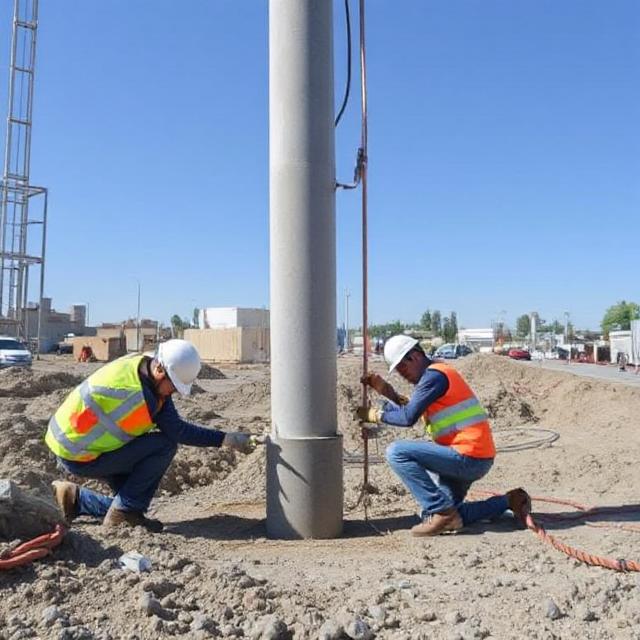
A structural condition assessment doesn’t start and end at the one crack you’re worried about. An engineer documents crack patterns across the whole structure, because cracks in multiple spots that follow a consistent direction tell a very different story than one isolated line.
From there, the process typically includes installing small crack monitors — thin gauges glued directly across the crack — to measure movement over several weeks, checking floor levelness with a laser or manual level, and reviewing the site’s grading and drainage around the foundation.

The result is a written report identifying the likely cause and the appropriate next step, which can range from something as straightforward as improving drainage and regrading, to foundation stabilization or underpinning in more advanced cases. The right fix genuinely depends on what the site investigation turns up — there isn’t a one-size answer here, and any contractor who quotes a repair before assessing the cause is guessing along with you.
When to Stop Patching and Get It Looked At
If a crack has reopened more than once, if it’s noticeably wider than the last time you checked, or if it’s showing up alongside sticking doors or a sloping floor, another round of filler just resets the clock until the same repair fails again.

A patch makes the crack invisible for a while. An assessment tells you why it happened and whether it’s likely to keep happening. Prime Test Engineering Services performs structural condition assessments that identify the actual cause before anyone recommends a repair — if a crack on your property keeps coming back, get it looked at once, properly, instead of patched again.
Conclusion
A crack that keeps coming back isn’t just a cosmetic issue—it’s often a sign that the underlying movement hasn’t stopped. Instead of repeatedly patching the same spot, identify the root cause before the problem worsens. A professional structural assessment can determine whether the issue is minor or requires repair, helping you fix it correctly the first time and avoid more expensive damage later.